

What Is 4-CN-BINACA-ADB?
4-CN-BINACA-ADB is a synthetic cannabinoid receptor agonist also known as CUMYL-4CN-BINACA, 4-CN-CUMYL-BINACA, 4-CN-CUMYL-BUTINACA, CUMYL-CB-PINACA, CUMYL-CYBINACA, and SGT-78. Its chemical name is 1-(4-cyanobutyl)-N-(2-phenylpropan-2-yl)-1H-indazole-3-carboxamide, and its CAS Registry Number is 1631074-54-8.
The compound belongs to the wider class of synthetic cannabinoid drugs, sometimes referred to as synthetic cannabinoid receptor agonists (SCRAs). These chemicals are structurally distinct from naturally occurring cannabis compounds and can produce powerful activity at cannabinoid receptors.
4-CN-BINACA-ADB and Synthetic Cannabinoids
4-CN-BINACA-ADB is part of the indazole-carboxamide family of novel psychoactive substances. The United Nations Office on Drugs and Crime identifies CUMYL-4-CN-BINACA among synthetic cannabinoid receptor agonists and describes it within the broader development of indazolecarboxamide cannabinoids.
A key point for anyone researching K2 Spice incense or K2 synthetic incense is that these product names do not reliably identify a particular chemical. Synthetic cannabinoid products have historically contained different active substances, sometimes with unpredictable concentrations or additional compounds. Therefore, a package or marketing label should not be considered proof of chemical identity.
Chemical Identification
Reliable identification requires appropriate analytical testing. Laboratory and forensic methods can distinguish synthetic cannabinoids using techniques such as mass spectrometry and other validated analytical procedures.
Reference materials for 4-CN-BINACA-ADB are used in analytical and forensic contexts to help laboratories identify or quantify the compound. Such materials are not equivalent to consumer products and should not be represented as safe for human consumption.
Synthetic Cannabinoid Effects and Potential Risks
The effects of synthetic cannabinoid receptor agonists can vary considerably between compounds. Research indicates that many SCRAs can produce strong activation of CB1 cannabinoid receptors, and intoxication can result in serious adverse effects.
Potential symptoms associated with synthetic cannabinoid toxicity may include:
- Agitation, anxiety, or confusion
- Altered perception or hallucinations
- Rapid heartbeat
- Changes in blood pressure
- Nausea or vomiting
- Severe agitation or delirium
- Seizures
- Loss of consciousness
- Other neurological or cardiovascular complications
The precise clinical presentation can vary depending on the chemical involved, exposure circumstances, and whether other substances are present.
Understanding the Synthetic Cannabinoid Toxidrome
The term synthetic cannabinoid toxidrome describes a pattern of signs and symptoms that may occur following exposure to synthetic cannabinoid receptor agonists.
There is no single symptom pattern that identifies every synthetic cannabinoid exposure. Different compounds can produce different effects, while products sold under similar names may contain unrelated substances. For that reason, healthcare professionals generally need to evaluate the patient’s symptoms and exposure history rather than relying solely on a product name.
Severe symptoms such as seizures, unconsciousness, breathing difficulty, chest pain, or extreme confusion require urgent medical assessment.
Synthetic Cannabinoid Treatment and Medical Care
There is no universal antidote that reverses every synthetic cannabinoid exposure. Management depends on the patient’s symptoms and clinical condition.
Healthcare professionals may provide supportive treatment and monitor neurological, cardiovascular, respiratory, and other complications. Anyone experiencing serious symptoms following suspected synthetic cannabinoid exposure should seek emergency medical care rather than attempting self-treatment.
What About Synthetic Cannabinoid Powder?
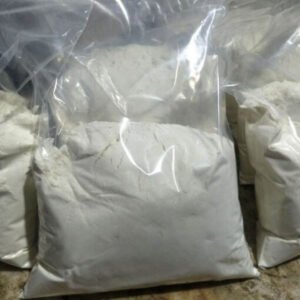
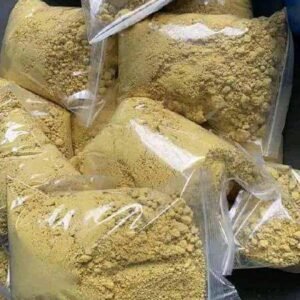
Searches for synthetic cannabinoid powder can refer to laboratory reference materials, research chemicals, or illicit substances. Powder appearance alone cannot establish chemical identity, purity, potency, or safety.
A current safety data sheet for a 4-CN-BINACA-ADB reference product identifies it as intended for research use rather than human or veterinary diagnostic or therapeutic use.
Research and Analytical Considerations
One important distinction is between an analytical reference standard and a consumer product. Certified or qualified reference materials can support laboratory testing, forensic analysis, method development, and quality-control procedures. They should not be described as recreational products or medicines.
For example, laboratory suppliers identify 4-CN-BINACA-ADB reference material for research and forensic applications and provide analytical documentation such as certificates and product specifications.
Trust & Verification
For scientific or forensic work, useful trust signals include:
- Clearly identified chemical name and CAS number
- Batch-specific analytical documentation
- Appropriate certificates of analysis
- Validated analytical methods
- Documented storage and handling requirements
- Research-use labeling
- Compliance with applicable laws and institutional requirements
These measures are more meaningful than unsupported claims about “premium,” “safe,” or “guaranteed” synthetic cannabinoid products.
Important Safety Note
4-CN-BINACA-ADB is a potent synthetic cannabinoid research chemical, not a conventional cannabis product. Its identity, legal status, and permitted use can vary by jurisdiction. Before handling or researching the compound, laboratories and institutions should verify applicable regulations and follow appropriate chemical-safety procedures.
This page is provided for education, toxicology awareness, and research information. It does not recommend human use or provide instructions for preparing, consuming, or distributing synthetic cannabinoids.
FAQ: 4-CN-BINACA-ADB
What is 4-CN-BINACA-ADB?
4-CN-BINACA-ADB is a synthetic cannabinoid receptor agonist also known as CUMYL-4CN-BINACA and SGT-78. Its CAS number is 1631074-54-8.
Is 4-CN-BINACA-ADB the same as K2 or Spice?
Not exactly. K2 and Spice are broad marketing or street terms associated with products containing synthetic cannabinoids. They do not necessarily identify one specific chemical. 4-CN-BINACA-ADB is a particular synthetic cannabinoid within this larger category.
What are the potential synthetic cannabinoid effects?
Effects can vary substantially between synthetic cannabinoids. Reported adverse effects across the class include agitation, confusion, cardiovascular changes, hallucinations, seizures, and other serious toxic reactions.
What is synthetic cannabinoid toxidrome?
Synthetic cannabinoid toxidrome refers to the collection of clinical signs that may occur after exposure to a synthetic cannabinoid. The presentation is variable and can include neurological, psychiatric, cardiovascular, and other systemic symptoms.
Is 4-CN-BINACA-ADB used for medical treatment?
It should not be presented as a medical treatment. Laboratory reference materials containing 4-CN-BINACA-ADB are designated for research and forensic applications rather than human or veterinary therapeutic use.
Be the first to review “4-CN-BINACA-ADB”
Related products
K2 POWDER INCENSE
SYNTHETIC CANNABINOIDS
SYNTHETIC CANNABINOIDS

SYNTHETIC CANNABINOIDS
SYNTHETIC CANNABINOIDS

SYNTHETIC CANNABINOIDS
K2 POWDER INCENSE
LIQUID HERBAL INCENSE
Reviews
There are no reviews yet.