
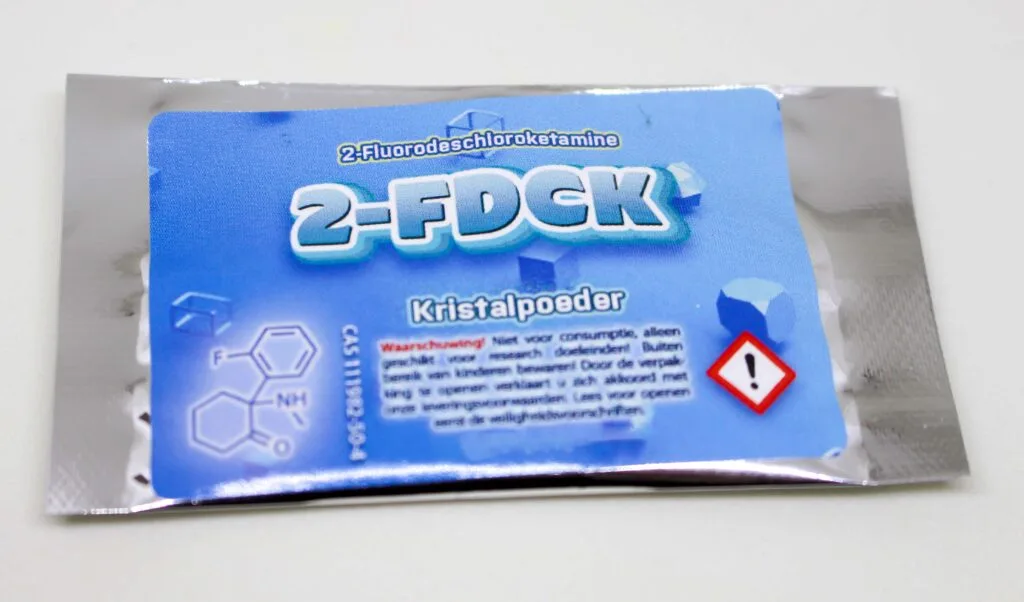
What Is 2F-DCK Powder?
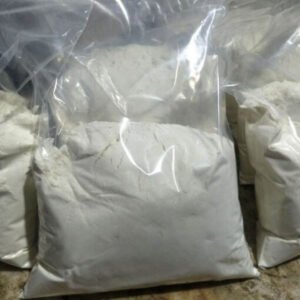
2F-DCK powder refers to 2-fluorodeschloroketamine, a synthetic dissociative compound related structurally to ketamine. Despite occasional online associations with terms such as K2 powder, K2 spice incense, and synthetic cannabinoid powder, 2F-DCK is not a synthetic cannabinoid. It belongs to a different pharmacological category.
Understanding this distinction is important because synthetic cannabinoids and dissociative substances can produce very different effects and toxicological profiles. Information about 2F-DCK remains limited, and much of what is reported about its effects comes from case reports, toxicology information, and user reports rather than extensive controlled human research.
2F-DCK Powder vs. K2 and Synthetic Cannabinoids
K2, commonly called Spice, generally refers to products containing synthetic cannabinoid receptor agonists. These substances are chemically diverse and may cause unpredictable neurological, cardiovascular, and psychiatric effects.
2F-DCK is different. It is associated with the dissociative drug class rather than the synthetic cannabinoid class.
This distinction matters when researching terms such as synthetic cannabinoid drugs, synthetic cannabinoid effects, and synthetic cannabinoid toxidrome. Those terms should not automatically be applied to 2F-DCK.
What Are Synthetic Cannabinoids?
Synthetic cannabinoids are laboratory-produced compounds designed to interact with cannabinoid receptors. They may be sold under misleading names such as herbal incense or K2 spice incense. Products can contain different chemicals from one batch to another, making their effects difficult to predict.
Reported synthetic cannabinoid effects can include agitation, confusion, anxiety, hallucinations, rapid heart rate, vomiting, seizures, and other serious reactions.
Potential 2F-DCK Effects and Risks
Because research on 2F-DCK is limited, its complete short- and long-term risk profile is not well established. Reported or theoretically possible effects associated with dissociative substances can include altered perception, impaired coordination, confusion, detachment from surroundings, and changes in consciousness.
Unexpected reactions may be more likely when the substance is unidentified, contaminated, incorrectly labeled, or combined with other drugs.
Potential warning signs requiring urgent medical attention can include:
- Loss of consciousness
- Severe confusion or extreme agitation
- Difficulty breathing
- Seizures
- Chest pain
- Severe or persistent vomiting
- Dangerous changes in heart rate
- Unresponsiveness
If someone develops severe or rapidly worsening symptoms after taking an unknown substance, emergency medical evaluation is appropriate.
Understanding the Synthetic Cannabinoid Toxidrome
The term synthetic cannabinoid toxidrome describes a recognizable group of clinical findings that may occur after exposure to synthetic cannabinoids. There is no single presentation because these products can contain many different active compounds.
Healthcare professionals may encounter symptoms involving the nervous, cardiovascular, gastrointestinal, or psychiatric systems. Treatment is generally supportive and depends on the person’s specific symptoms and clinical condition.
Importantly, synthetic cannabinoid treatment should not be confused with a specific antidote for 2F-DCK. Management of suspected poisoning depends on the substance involved and the symptoms present.
Why Product Identification Matters
One of the biggest challenges with unregulated psychoactive powders is uncertainty about their actual contents. A label claiming that a powder is 2F-DCK does not necessarily establish its identity, purity, concentration, or contamination status.
For this reason, responsible information about these substances should emphasize uncertainty rather than making unsupported claims about purity, safety, potency, or guaranteed effects.
Frequently Asked Questions
Is 2F-DCK a synthetic cannabinoid?
No. 2F-DCK is a dissociative compound, not a synthetic cannabinoid. K2 and Spice products generally refer to substances designed to interact with cannabinoid receptors.
Is 2F-DCK the same as K2 powder?
No. 2F-DCK and K2 are chemically and pharmacologically different. Calling 2F-DCK “K2 powder” can create confusion about its identity and potential effects.
What are synthetic cannabinoid effects?
Synthetic cannabinoid effects can vary substantially depending on the specific compound. Reported reactions include agitation, anxiety, confusion, hallucinations, vomiting, rapid heart rate, seizures, and other serious symptoms.
What is synthetic cannabinoid toxidrome?
Synthetic cannabinoid toxidrome refers to a collection of clinical signs associated with synthetic cannabinoid exposure. Symptoms can involve neurological, psychiatric, cardiovascular, and gastrointestinal systems.
Is 2F-DCK well studied?
No. Compared with established medicines and extensively researched substances, there is limited high-quality human research on 2F-DCK. Claims about its safety, long-term effects, or predictable potency should therefore be treated cautiously.
SEO Analysis Summary
Keyword placement: The primary keyword “2F-DCK Powder” appears in the title, meta title, meta description, introduction, and relevant heading. Related terms are incorporated contextually rather than repeatedly.
Be the first to review “2F-DCK Powder”
Related products

SYNTHETIC CANNABINOIDS
SYNTHETIC CANNABINOIDS
SYNTHETIC CANNABINOIDS

LIQUID HERBAL INCENSE

K2 PAPER SHEET
SYNTHETIC CANNABINOIDS

SYNTHETIC CANNABINOIDS

LIQUID HERBAL INCENSE
Reviews
There are no reviews yet.