
What Is 5C-AKB48?
5C-AKB48 is a synthetic cannabinoid belonging to a broader group of synthetic cannabinoid receptor agonists (SCRAs). Unlike naturally occurring cannabis compounds, synthetic cannabinoids are laboratory-made chemicals designed to interact with cannabinoid receptors, particularly CB1 receptors. Research has identified 5C-AKB48 among emerging synthetic cannabinoid compounds investigated for their receptor activity and metabolism.
Products marketed under names such as K2, Spice, K2 spice incense, or K2 synthetic incense should not be assumed to contain a consistent chemical simply because the packaging uses the same name. Public-health authorities warn that synthetic cannabinoid products can contain different chemicals or variable concentrations between batches, making their effects difficult to predict.
5C-AKB48 and Synthetic Cannabinoid Drugs
5C-AKB48 is part of a rapidly changing category of synthetic cannabinoid drugs and novel psychoactive substances. Scientific research has examined its activity at cannabinoid receptors, but information about many newer synthetic cannabinoids remains limited compared with established medicines.
This distinction matters because synthetic cannabinoids are not simply another form of cannabis. The CDC notes that K2 and Spice products are man-made chemicals and can produce unpredictable effects that may be considerably more severe than those commonly associated with cannabis.
Why Chemical Identity Matters
A product labeled with a particular synthetic cannabinoid name does not automatically establish its actual contents. Research and public-health investigations have documented variability, contamination, and changing formulations in illicit synthetic cannabinoid products. Consequently, labels alone should not be treated as proof of composition, concentration, or safety.
Synthetic Cannabinoid Effects and Potential Risks
The effects associated with synthetic cannabinoids vary according to the compound, exposure amount, route of exposure, and other substances that may be present. Reported synthetic cannabinoid effects include:
- Anxiety, agitation, or severe confusion
- Rapid heartbeat and elevated blood pressure
- Nausea and vomiting
- Dizziness or unusual sleepiness
- Hallucinations, paranoia, or psychosis
- Seizures
- Breathing difficulties
- Chest pain and cardiovascular complications
- Kidney injury and muscle damage in severe cases
The CDC reports that synthetic cannabinoid poisoning can sometimes become life-threatening and has been associated with severe neurological, cardiovascular, renal, and psychiatric complications.
Understanding Synthetic Cannabinoid Toxidrome
A synthetic cannabinoid toxidrome refers to the collection of clinical findings that may appear following synthetic cannabinoid poisoning. There is not one perfectly consistent presentation, and symptoms can overlap with other forms of drug toxicity.
Clinical reports have described agitation, delirium, central nervous system depression, tachycardia, hypertension, seizures, hallucinations, vomiting, kidney injury, and other serious complications. Because symptoms vary, healthcare professionals may need to consider alternative causes rather than relying solely on a suspected synthetic cannabinoid exposure.
Synthetic Cannabinoid Treatment
There is no single specific antidote for synthetic cannabinoid poisoning. Medical management generally focuses on supportive care and controlling dangerous symptoms. Depending on the patient’s condition, healthcare professionals may provide monitoring, oxygen, intravenous fluids, airway support, anti-nausea treatment, or medications to control severe agitation or seizures.
Anyone experiencing severe symptoms after suspected exposure should seek urgent medical attention rather than attempting to manage poisoning at home.
What About Synthetic Cannabinoid Powder?
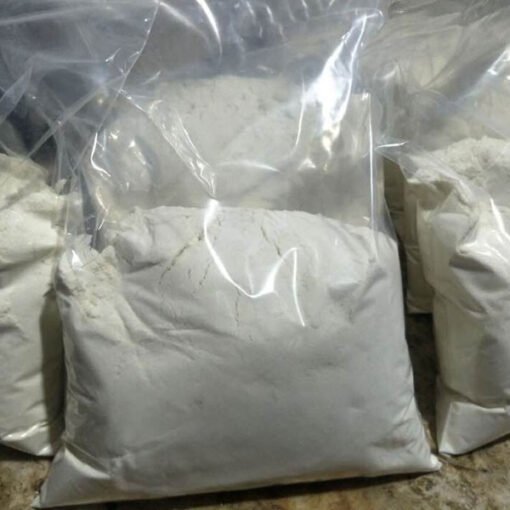
Searches for synthetic cannabinoid powder can refer to laboratory chemicals, research materials, or illicit drug products. The appearance of a powder cannot establish its identity, purity, potency, or safety. Handling or consuming an unidentified psychoactive chemical can create significant exposure risks.
For research or laboratory settings, chemical identity should be established through appropriate analytical procedures and handled according to applicable institutional and regulatory requirements.
Important Safety Information
5C-AKB48 and other synthetic cannabinoids should not be treated as ordinary cannabis products or assumed to have predictable effects. Scientific literature continues to identify gaps in knowledge concerning the toxicity and long-term consequences of many synthetic cannabinoids.
A Better Approach to Synthetic Cannabinoid Information
For consumers, researchers, educators, and healthcare professionals, the most useful approach is evidence-based information rather than claims about guaranteed potency, purity, or safety. Product labels and marketing terms such as “K2,” “Spice,” or “synthetic incense” do not by themselves establish what a product contains.
FAQ: 5C-AKB48 and Synthetic Cannabinoids
Is 5C-AKB48 a synthetic cannabinoid?
Yes. 5C-AKB48 is an identified synthetic cannabinoid receptor agonist investigated as part of the broader class of novel synthetic cannabinoids. Research has examined its activity at cannabinoid receptors and its metabolism.
What are the effects of synthetic cannabinoids?
Synthetic cannabinoid effects can vary substantially. Reported effects include anxiety, agitation, confusion, hallucinations, rapid heart rate, vomiting, seizures, cardiovascular problems, and other serious complications.
Is K2 or Spice the same as cannabis?
No. K2 and Spice are common names associated with products containing man-made synthetic cannabinoids. They are chemically different from cannabis and can produce unpredictable or severe effects.
Is there a treatment for synthetic cannabinoid poisoning?
There is no universal specific antidote. Treatment is generally supportive and depends on the symptoms and severity of the poisoning. Medical professionals may treat complications such as seizures, agitation, breathing problems, or cardiovascular instability.
Why can synthetic cannabinoid toxicity be difficult to identify?
Different synthetic cannabinoids can produce different clinical presentations, while product contents may vary or include additional chemicals. Standard drug screens may also fail to detect many synthetic cannabinoids, making exposure history and clinical assessment important.
Be the first to review “5C-AKB48”
Related products

K2 PAPER SHEET
K2 POWDER INCENSE

LIQUID HERBAL INCENSE

LIQUID HERBAL INCENSE

LIQUID HERBAL INCENSE

K2 PAPER SHEET

K2 PAPER SHEET
SYNTHETIC CANNABINOIDS
Reviews
There are no reviews yet.