
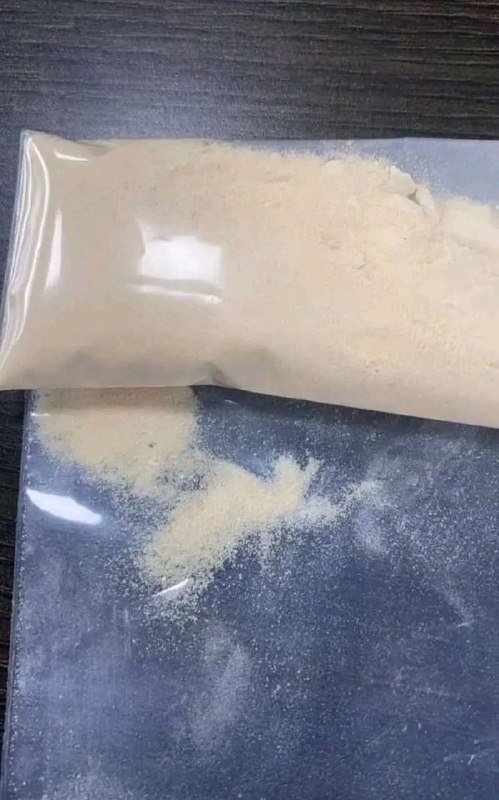
What Is SGT-78?
SGT-78 is a name associated with the broader category of synthetic cannabinoid compounds. Synthetic cannabinoids are laboratory-created chemicals designed to interact with cannabinoid receptors in the body. Unlike naturally occurring cannabis compounds, these substances can have unpredictable pharmacological effects.
Information about individual compounds can be limited, and products sold under broad names such as K2 or Spice may contain different chemicals from those stated on packaging. This uncertainty is an important safety consideration when researching synthetic cannabinoid drugs.
SGT-78 and Synthetic Cannabinoid Drugs
Synthetic cannabinoids encompass many structurally different compounds. They have appeared in products marketed using terms such as K2, Spice, herbal incense, and K2 synthetic incense.
The names used to describe these products do not necessarily identify their actual chemical contents. Two products carrying similar packaging or branding may contain different compounds, concentrations, or contaminants.
For that reason, information about one synthetic cannabinoid should not be assumed to describe every K2 or Spice product.
SGT-78 Synthetic Cannabinoid Effects
The effects associated with synthetic cannabinoids can vary significantly according to the compound, concentration, individual sensitivity, and possible presence of additional substances.
Reported effects across the synthetic cannabinoid class may include:
- Changes in perception or mood
- Anxiety, panic, or agitation
- Confusion or disorientation
- Drowsiness or unusual behavior
- Increased heart rate
- Nausea and vomiting
- Tremors or abnormal movements
- Paranoia or hallucinations
- Seizures
- Reduced consciousness in severe cases
The unpredictability of these effects is one reason synthetic cannabinoids can present substantial health risks.
Understanding Synthetic Cannabinoid Toxidrome
A synthetic cannabinoid toxidrome describes a collection of clinical signs that may occur following synthetic cannabinoid intoxication or poisoning.
Healthcare professionals may evaluate neurological, cardiovascular, psychiatric, and gastrointestinal symptoms when suspected exposure occurs. Severe agitation, seizures, abnormal consciousness, breathing difficulties, or serious cardiovascular symptoms warrant urgent medical evaluation.
Standard toxicology screening may not detect every synthetic cannabinoid. Consequently, clinicians may consider the person’s symptoms, exposure history, physical findings, and available laboratory information when determining appropriate care.
Synthetic Cannabinoid Treatment
There is no universal treatment that applies to every synthetic cannabinoid exposure. Synthetic cannabinoid treatment generally focuses on supportive medical care and management of the symptoms or complications that develop.
Depending on the circumstances, healthcare professionals may monitor vital signs, neurological status, heart function, hydration, and other clinical indicators. Treatment decisions depend on the suspected substance, symptoms, severity, and the person’s overall health.
Anyone experiencing severe symptoms after suspected exposure should seek professional medical attention rather than attempting to treat serious intoxication independently.
Why SGT-78 Research Requires Caution
One important issue when researching SGT-78 or other emerging synthetic cannabinoids is the limited reliability of some online product descriptions.
Terms such as synthetic cannabinoid powder, K2, Spice, or herbal incense can describe products whose actual chemical composition is uncertain. Packaging, color, branding, or a seller’s description cannot establish purity, identity, or safety.
Laboratory analysis may provide useful information about chemical composition, but analytical identification should not be interpreted as evidence that a psychoactive substance is safe for human use.
K2, Spice, and Synthetic Incense
K2 Spice incense and similar products have historically been marketed using language that can make them appear similar to conventional herbal products. However, synthetic cannabinoid products can contain potent psychoactive chemicals and may produce unpredictable reactions.
Consumers researching these substances should distinguish between marketing terminology and verified chemical information. Reliable health information from qualified medical or public-health sources is preferable to unsupported claims about potency, safety, or expected effects.
What to Do After Suspected Exposure
If someone develops seizures, severe confusion, loss of consciousness, extreme agitation, breathing problems, or significant cardiovascular symptoms after suspected synthetic cannabinoid exposure, seek emergency medical care immediately.
For non-emergency concerns, a qualified healthcare professional can provide individualized advice about possible exposure, substance use, and appropriate treatment or support.
FAQ: SGT-78 and Synthetic Cannabinoids
What is SGT-78?
SGT-78 is a designation associated with synthetic cannabinoid research. Because synthetic cannabinoid compounds can differ substantially from one another, information about SGT-78 should not automatically be applied to other K2 or Spice products.
What are synthetic cannabinoid effects?
Effects vary between compounds and individuals. Possible effects associated with synthetic cannabinoids include anxiety, agitation, confusion, altered perception, increased heart rate, nausea, hallucinations, tremors, seizures, and reduced consciousness.
Is SGT-78 the same as K2 or Spice?
Not necessarily. K2 and Spice are broad names historically used for products containing various synthetic cannabinoids. The name on a package does not reliably establish which chemical is present.
What is a synthetic cannabinoid toxidrome?
A synthetic cannabinoid toxidrome is a pattern of symptoms that can occur following intoxication or poisoning. Medical assessment may consider neurological, cardiovascular, psychiatric, and other clinical findings.
Is there treatment for synthetic cannabinoid exposure?
Treatment depends on the substance and symptoms involved. Medical management generally focuses on supportive care and treating complications. Severe symptoms require urgent professional evaluation.
Be the first to review “SGT-78”
Related products
K2 POWDER INCENSE
K2 POWDER INCENSE

LIQUID HERBAL INCENSE
SYNTHETIC CANNABINOIDS

K2 PAPER SHEET
LIQUID HERBAL INCENSE
SYNTHETIC CANNABINOIDS
SYNTHETIC CANNABINOIDS
Reviews
There are no reviews yet.