

What Is 4F-AMB?
4F-AMB is a synthetic cannabinoid receptor agonist associated with the broader group of novel psychoactive substances. Synthetic cannabinoids are laboratory-created chemicals designed to interact with cannabinoid receptors, particularly CB1 receptors. They are structurally different from naturally occurring cannabinoids such as THC and can produce unpredictable effects.
4F-AMB has also been referred to as 4-fluoro-AMB and MMB-FUBICA in scientific and forensic literature. Because synthetic cannabinoid names can vary between sources, precise chemical identification is important when researching an unknown material.
4F-AMB and Synthetic Cannabinoid Drugs
Synthetic cannabinoid drugs are commonly grouped under the term synthetic cannabinoid receptor agonists (SCRAs). They have appeared in forensic investigations, toxicology cases, and products marketed as alternatives to cannabis.
Searches for K2 Spice incense and K2 synthetic incense often involve this broader category. However, K2 and Spice are general terms rather than reliable chemical identifiers. Products sold under those names can contain different synthetic cannabinoids or other substances.
This variability means that packaging, branding, appearance, or a product description cannot reliably confirm the presence of 4F-AMB.
Chemical Identification
Accurate identification of synthetic cannabinoids may require laboratory methods such as liquid chromatography-mass spectrometry (LC-MS/MS), gas chromatography-mass spectrometry (GC-MS), or other validated analytical techniques.
Analytical testing can distinguish 4F-AMB from structurally related compounds and may be particularly important in forensic and clinical toxicology.
Synthetic Cannabinoid Effects and Potential Risks
The synthetic cannabinoid effects associated with 4F-AMB and related compounds can vary depending on the chemical, exposure, concentration, individual response, and presence of other substances.
Reported adverse effects across synthetic cannabinoid exposures include:
- Anxiety and severe agitation
- Confusion or altered mental status
- Paranoia and hallucinations
- Rapid heartbeat
- Changes in blood pressure
- Nausea and vomiting
- Severe behavioral changes
- Seizures
- Loss of consciousness
- Neurological or cardiovascular complications
Synthetic cannabinoids should not be assumed to have the same effects or safety profile as cannabis. Some exposures have resulted in severe and potentially life-threatening toxicity.
Understanding the Synthetic Cannabinoid Toxidrome
The term synthetic cannabinoid toxidrome refers to a pattern of clinical findings that can occur following exposure to synthetic cannabinoid receptor agonists.
There is no single presentation that identifies every synthetic cannabinoid exposure. Symptoms can involve neurological, psychiatric, cardiovascular, respiratory, and gastrointestinal systems. The clinical picture may also be complicated when the substance is unknown or several chemicals are involved.
Seizures, unconsciousness, breathing difficulty, chest pain, extreme confusion, or severe agitation require urgent medical assessment.
Synthetic Cannabinoid Treatment
There is no universal antidote for synthetic cannabinoid poisoning. Synthetic cannabinoid treatment is generally based on the patient’s symptoms and any complications that develop.
Healthcare professionals may provide supportive care while monitoring neurological, cardiovascular, and respiratory function. The appropriate medical response depends on the individual clinical presentation.
Suspected poisoning should not be managed with home remedies or additional substances. Serious or rapidly worsening symptoms require professional medical attention.
What Does Synthetic Cannabinoid Powder Mean?
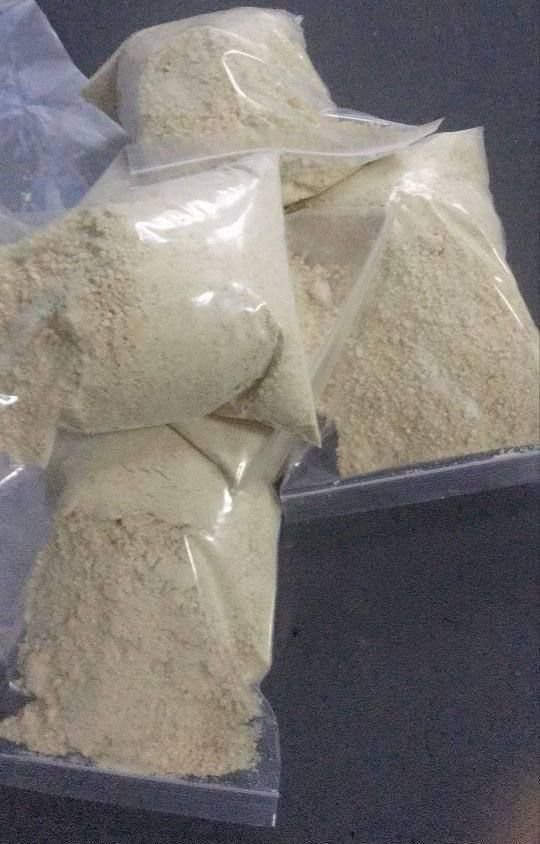
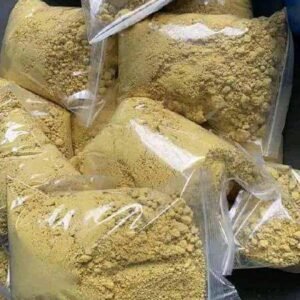
The term synthetic cannabinoid powder can refer to laboratory materials, analytical reference substances, research chemicals, or illicit substances. Powder appearance alone cannot establish chemical identity, purity, concentration, or safety.
When definitive identification is necessary, validated laboratory testing is more reliable than visual inspection, packaging, or informal labeling.
What Makes Reliable 4F-AMB Information Different?
For scientific and educational purposes, trustworthy information should prioritize verifiable evidence over marketing claims.
Useful trust signals include:
- Accurate chemical nomenclature
- Reliable substance identification
- Peer-reviewed scientific research
- Appropriate analytical documentation
- Validated laboratory methods
- Transparent scientific limitations
- Current regulatory information
- Clear safety information
Claims such as “guaranteed safe,” “premium potency,” or “safe for consumption” should not replace independently verifiable evidence.
Research and Toxicology Considerations
Synthetic cannabinoid research continues to evolve as new substances are identified through forensic and toxicological surveillance. Researchers examine receptor activity, metabolism, analytical detection, and adverse health outcomes to better understand emerging compounds.
For laboratories, toxicologists, healthcare professionals, and educators, precise chemical identification is more useful than relying on street names or marketing descriptions.
AQ: 4F-AMB and Synthetic Cannabinoids
What is 4F-AMB?
4F-AMB is a synthetic cannabinoid receptor agonist associated with the broader class of novel psychoactive substances. It has also been referred to as 4-fluoro-AMB or MMB-FUBICA in scientific and forensic contexts.
Is 4F-AMB a synthetic cannabinoid?
Yes. 4F-AMB is classified within the broader group of synthetic cannabinoid receptor agonists. These laboratory-created substances interact with cannabinoid receptors and can differ significantly from naturally occurring cannabis compounds.
What are the effects of 4F-AMB?
Effects can vary considerably. Synthetic cannabinoid exposures may involve agitation, confusion, hallucinations, rapid heartbeat, abnormal blood pressure, seizures, loss of consciousness, and other serious toxic reactions.
What is a synthetic cannabinoid toxidrome?
A synthetic cannabinoid toxidrome is a collection of clinical signs associated with exposure to synthetic cannabinoid receptor agonists. Symptoms can vary and may affect several body systems.
How is synthetic cannabinoid poisoning treated?
There is no universal antidote for all synthetic cannabinoid exposures. Medical management is generally supportive and depends on the symptoms and complications. Severe symptoms require urgent professional medical evaluation.
Be the first to review “4F-AMB”
Related products

K2 PAPER SHEET
LIQUID HERBAL INCENSE
K2 POWDER INCENSE

LIQUID HERBAL INCENSE
LIQUID HERBAL INCENSE

LIQUID HERBAL INCENSE
SYNTHETIC CANNABINOIDS

SYNTHETIC CANNABINOIDS
Reviews
There are no reviews yet.