
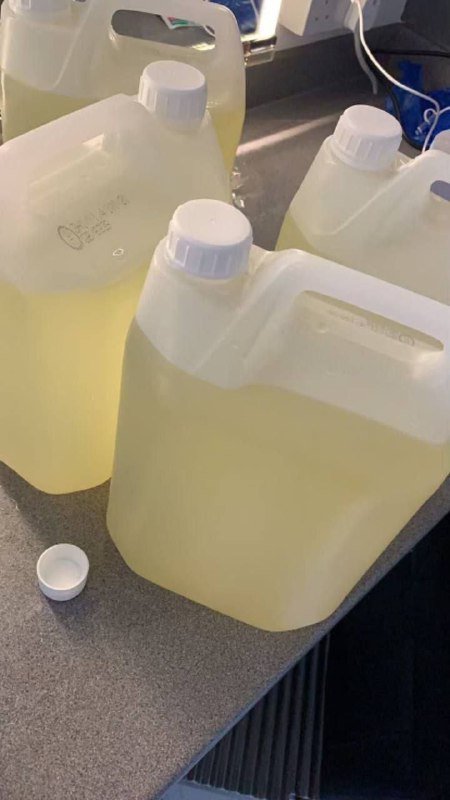
What Is 1 Gallon Liquid K2?
The term 1 Gallon Liquid K2 is commonly used online to describe a large-volume liquid product marketed under names such as liquid herbal incense, herbal liquid incense, liquid spice incense, or K2 liquid incense. Despite the word “incense,” products sold under these descriptions may contain synthetic cannabinoids or other psychoactive chemicals.
The contents of products marketed this way can vary considerably. A product’s name, appearance, or advertised description does not reliably establish which chemicals it contains. This is especially important when a liquid is sold for later application to plant material or other substrates.
For consumers researching liquid incense, understanding the terminology and potential risks is more important than relying on marketing descriptions.
What Is Liquid Incense?
What is liquid incense? The phrase can refer to different products depending on the seller and formulation. Some products are conventional fragrance or aromatic products, while others marketed as K2, spice, or synthetic herbal incense may involve psychoactive synthetic cannabinoids.
Synthetic cannabinoids are laboratory-made chemicals that can interact with cannabinoid receptors in the body. Their effects can differ substantially from traditional cannabis, and different compounds may have very different potency and risks.
Because formulations can change without obvious changes to the product name or packaging, consumers should not assume that one batch has the same composition as another.
Understanding K2 Liquid Incense and Spice Products
Terms such as k2 liquid incense, liquid spice incense, and herbal liquid incense are often used interchangeably in online searches. These terms can create confusion because “herbal” or “incense” does not necessarily mean that a product is natural, harmless, or intended simply as a fragrance.
Products associated with synthetic cannabinoids have been linked with serious adverse effects, including agitation, confusion, hallucinations, rapid heartbeat, vomiting, seizures, and loss of consciousness. Severe reactions can require emergency medical attention.
Anyone encountering an unknown liquid should avoid assuming its safety from its color, smell, packaging, or advertised ingredients.
Why Product Transparency Matters
When researching a product described as 1 Gallon Liquid K2, transparency should be a primary consideration. Reliable product information should clearly identify the manufacturer, ingredients where legally required, applicable warnings, batch information, and appropriate intended use.
Claims such as “fresh,” “premium,” “strong,” or “natural” are not substitutes for independently verifiable product information.
For a website such as K2 Spray Sheet, useful educational content can help visitors understand the terminology surrounding liquid herbal incense and distinguish marketing language from meaningful product information.
Important Information to Check
Before handling an unfamiliar liquid, consumers should look for:
- A clearly identified manufacturer or responsible company
- Complete and consistent labeling
- Ingredient information where applicable
- Appropriate safety warnings
- Batch or lot identification
- Independent laboratory documentation when legitimately available
- Applicable local legal and regulatory information
Do not rely on certifications, laboratory results, guarantees, or customer reviews unless they can be independently verified.
Liquid Herbal Incense and Consumer Safety
The term liquid herbal incense does not establish that a product is safe for human consumption, inhalation, ingestion, or application to the body. Products containing unknown psychoactive chemicals may carry unpredictable risks.
Synthetic cannabinoid products are particularly difficult to assess because formulations can contain different compounds or concentrations. Combining unknown substances with alcohol, medications, recreational drugs, or other psychoactive substances may introduce additional risks.
If someone develops severe confusion, seizures, difficulty breathing, unconsciousness, extreme agitation, or another potentially life-threatening reaction after exposure to an unknown substance, seek emergency medical assistance immediately.
Understanding Search Terms and Product Labels
People searching for phrases such as where to buy liquid herbal incense, liquid incense for sale, or buy fresh liquid incense spiced K2 spray may encounter products with very different ingredients and intended uses.
Search terminology alone cannot establish product identity or safety. A more useful approach is to investigate the actual substance, manufacturer, labeling, applicable regulations, and independently verifiable documentation.
For educational purposes, related resources on K2 Spray Sheet can explain synthetic cannabinoids, labeling terminology, potential effects, and risk awareness.
Frequently Asked Questions
What is 1 Gallon Liquid K2?
“1 Gallon Liquid K2” is an online marketing/search term generally associated with a large-volume liquid marketed under K2, spice, or liquid herbal-incense terminology. The actual ingredients can vary, so the name alone cannot establish what the product contains.
Is liquid herbal incense the same as natural incense?
Not necessarily. “Herbal incense” can describe different types of products. Some are ordinary aromatic products, while others marketed using K2 or spice terminology may contain synthetic cannabinoids or other chemicals.
What is liquid incense used for?
The intended use depends on the specific formulation and labeling. Consumers should not assume that a product described as liquid incense is suitable for inhalation, ingestion, or application to the body.
Are K2 liquid incense products safe?
Safety cannot be determined from the product name alone. Synthetic cannabinoid products may contain potent or unidentified chemicals and have been associated with serious adverse reactions.
How can I evaluate a liquid incense product?
Look for transparent labeling, a clearly identified manufacturer, applicable warnings, batch information, and independently verifiable documentation. Avoid relying solely on marketing claims or testimonials.
Be the first to review “1 Gallon Liquid K2”
Related products
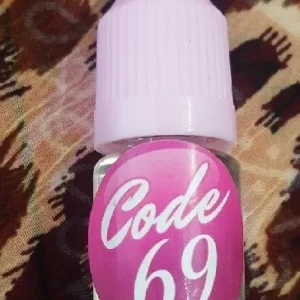
LIQUID HERBAL INCENSE
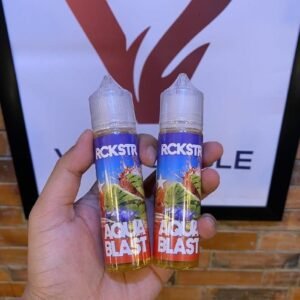
LIQUID HERBAL INCENSE
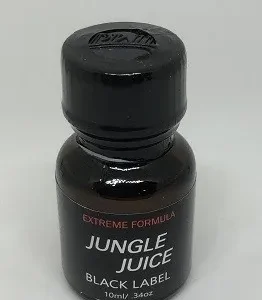
LIQUID HERBAL INCENSE
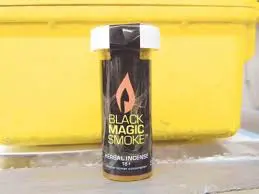
LIQUID HERBAL INCENSE
LIQUID HERBAL INCENSE
LIQUID HERBAL INCENSE
LIQUID HERBAL INCENSE
LIQUID HERBAL INCENSE
Reviews
There are no reviews yet.