
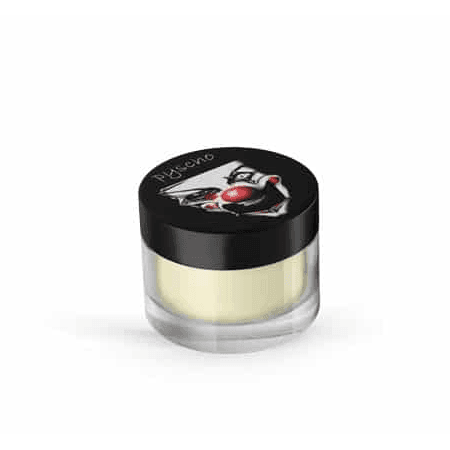
What Is Pyscho Powder?
Pyscho Powder is a product name that may appear in discussions surrounding K2, Spice, and synthetic-cannabinoid products. However, the name alone cannot confirm the chemical identity, concentration, purity, or safety of a particular powder.
This distinction is important for people researching K2 powder incense, K2 Spice incense, K2 synthetic incense, synthetic cannabinoid drugs, or synthetic cannabinoid powder. Synthetic cannabinoids are laboratory-produced substances that interact with cannabinoid receptors, but different compounds can produce substantially different effects.
Because formulations can vary, reliable information should distinguish independently verified information from branding, marketing claims, and anecdotal reports.
Pyscho Powder and Synthetic Cannabinoids
K2 and Spice are commonly used terms for products marketed as synthetic cannabinoids. These substances are not simply another form of cannabis. Their chemical structures and effects on cannabinoid receptors can vary considerably.
A product name does not reliably identify the active ingredient. Products with similar names may contain different substances, while formulations may also change between batches.
Why Chemical Composition Matters
Unregulated psychoactive powders can create uncertainty about what a person is actually exposed to. Product packaging and online descriptions may not accurately identify the active chemical or its concentration.
Independent laboratory analysis can provide more meaningful information about composition. When laboratory documentation is available, useful transparency details include the laboratory’s identity, testing method, test date, and compounds identified.
Synthetic Cannabinoid Effects
Synthetic cannabinoid effects can vary according to the specific chemical, exposure, individual factors, and possible interactions with other substances.
Reported effects can include:
- Anxiety or panic
- Confusion and disorientation
- Agitation
- Altered perception
- Hallucinations
- Drowsiness
- Nausea or vomiting
- Rapid heartbeat
- Tremors
- Seizures
- Loss of consciousness
Previous experience with one synthetic-cannabinoid product does not reliably predict the effects of another.
Understanding Synthetic Cannabinoid Toxidrome
Synthetic cannabinoid toxidrome describes a collection of clinical findings that may occur following synthetic-cannabinoid exposure.
There is no single presentation. Symptoms may affect neurological, psychiatric, cardiovascular, and gastrointestinal systems.
Potentially serious warning signs include seizures, difficulty breathing, chest pain, severe agitation, extreme confusion, unresponsiveness, or loss of consciousness.
Severe or rapidly worsening symptoms after exposure to an unknown substance warrant urgent medical evaluation.
Synthetic Cannabinoid Treatment and Medical Care
There is no universal home treatment for suspected synthetic-cannabinoid poisoning. Healthcare professionals assess symptoms, vital signs, consciousness, and suspected exposure before determining appropriate supportive care.
If medical assistance is needed, retaining the original packaging or available laboratory documentation may help clinicians understand the possible exposure.
Terms such as “herbal incense,” “synthetic incense,” or “legal high” should not be interpreted as proof that a product is medically safe.
What Makes Pyscho Powder Different?
Without independent laboratory documentation identifying the compounds in a specific Pyscho Powder product, it would be misleading to claim that it is safer, stronger, purer, or more consistent than other synthetic-cannabinoid products.
Frequently Asked Questions
What is Pyscho Powder?
Pyscho Powder is a product name that may be associated with the broader K2 or synthetic-cannabinoid market. The name alone does not verify its chemical composition, concentration, or safety.
Is Pyscho Powder the same as K2?
K2 is commonly used to describe synthetic-cannabinoid products, but individual products can contain different chemicals. Branding alone cannot establish the actual contents of a particular powder.
What are synthetic cannabinoid effects?
Reported effects include anxiety, confusion, agitation, hallucinations, altered perception, rapid heartbeat, nausea, vomiting, tremors, seizures, and loss of consciousness.
What is synthetic cannabinoid toxidrome?
Synthetic cannabinoid toxidrome refers to a group of symptoms associated with synthetic-cannabinoid exposure. It can involve neurological, psychiatric, cardiovascular, and gastrointestinal systems.
When should someone seek medical help?
Seizures, difficulty breathing, chest pain, severe confusion, extreme agitation, unresponsiveness, or loss of consciousness are serious warning signs requiring urgent medical evaluation.
Be the first to review “Pyscho Powder”
Related products

HERBAL INCENSE

HERBAL INCENSE

HERBAL INCENSE
HERBAL INCENSE
HERBAL INCENSE
HERBAL INCENSE

HERBAL INCENSE

HERBAL INCENSE
Reviews
There are no reviews yet.