Uncategorized
K2 Spray
30
Sep
Sep
K2 Spray: What It Is, Why It’s Dangerous, and What the Law Says
K2 spray is a liquid form of synthetic cannabinoids — lab-made chemicals designed to mimic THC, the psychoactive compound in cannabis — that is typically applied to plant material or sold as a sprayable liquid. It is not cannabis, it is not regulated like cannabis, and in the United States it is illegal in most states. This article explains what K2 spray is, how a K2 spice spray bottle is used, why the product is considered more dangerous than marijuana, and how federal and state law treat it.
What Is K2 Spray?
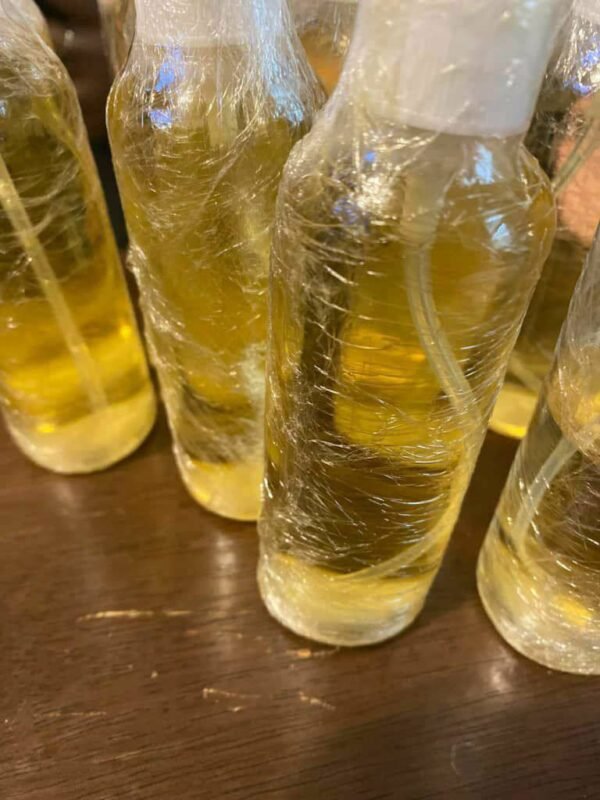
“K2” and “Spice” are street names that emerged in the mid-2000s for herbal incense products laced with synthetic cannabinoids. The sprayed version — sometimes called **K2 spice spray**, **synthetic THC spray**, or **k2 liquid spray** — is a solution of these chemicals dissolved in a solvent, sold in a **K2 spray bottle** so users can apply it to tobacco, herbs, or other plant matter themselves.
The key point: synthetic cannabinoids are not one substance. Dozens of different compounds have appeared over the years, and manufacturers constantly alter the chemical formulas to stay ahead of bans. That means two bottles labeled “K2 spray” can contain entirely different drugs with different potencies and risks.
**Common street terms** include K2, Spice, K2 spice, synthetic marijuana, fake weed, and “K2sprays.” “K 2 spray” and “spray K2” refer to the same category of product.
How K2 Spray Is Used
A K2 spice spray bottle usually contains a liquid that the user sprays onto plant material, which is then smoked or vaporized. Some products are marketed as ready-to-use pre-sprayed herbal blends. Because the active chemicals are dissolved in liquid, dosing is highly inconsistent — one spray or one batch can contain far more active compound than another.
That inconsistency is one of the central dangers. With plant cannabis, potency varies but is somewhat predictable. With synthetic cannabinoids, a tiny difference in the amount sprayed onto a leaf can be the difference between a mild effect and a medical emergency.
Why K2 Spray Is Considered More Dangerous Than Cannabis
Public health authorities, including the CDC and DEA, have documented serious harms associated with synthetic cannabinoids. Documented effects reported in medical literature and poison center data include:
– **Agitation, anxiety, and paranoia**, sometimes severe
– **Rapid heart rate, high blood pressure, and chest pain**
– **Vomiting and seizures**
– **Kidney injury** in some outbreak clusters
– **Psychosis and hallucinations**
– **Loss of consciousness and, in rare cases, death**
Synthetic cannabinoids bind to the same receptors as THC but often far more strongly, which is part of why the effects can be overwhelming. Unlike cannabis, these compounds are not tested for purity or dose, and they are frequently mixed with unknown adulterants or leftover solvents from manufacturing.
For an authoritative and current assessment of specific health risks and outbreak data, check CDC and DEA publications directly — this is an area where details change as new compounds circulate. *[Editorial note: verify the latest CDC/DEA advisories before publication.]*
Is K2 Spray Legal in the United States?
Short answer: **largely no.**
At the federal level, the DEA has used its scheduling authority to place many synthetic cannabinoids on Schedule I of the Controlled Substances Act, the same category as heroin and LSD. Congress also passed legislation banning entire classes of synthetic cannabinoids rather than listing them one by one, precisely because manufacturers kept tweaking the molecules.
At the state level, most U.S. states have their own bans on synthetic cannabinoids, often broader than the federal list. A small number of states regulate them differently, and because new chemical variants appear faster than laws can be updated, enforcement can be uneven. If you need to know the status of a specific product in a specific state, consult that state’s statutes or a licensed attorney — laws and scheduled compound lists change.
## Signs of a Bad Reaction and What to Do
If someone shows signs of a severe reaction after using K2 spray or any synthetic cannabinoid — seizures, severe agitation, chest pain, difficulty breathing, or unresponsiveness — treat it as a medical emergency.
– Call 911 immediately
– Do not leave the person alone
– Keep them away from traffic, stairs, or anything they could fall from or break
– Tell responders what you know they took, even if you’re unsure of the exact product
Poison control centers can also advise: in the U.S., call **1-800-222-1222**. *[Editorial note: confirm this number is current for your publication date.]*
Why People Encounter K2 Spray
Understanding the “why” helps explain the risk. Synthetic cannabinoids became popular partly because they were cheap, easy to buy in convenience stores and online under the guise of “herbal incense” or “potpourri,” and often undetectable on standard drug tests. Those same features — cheap, unregulated, and chemically unpredictable — are exactly what make the product dangerous.
Common questions people ask about K2 spray include whether it shows up on drug tests (often it does not, which was part of its appeal), whether it’s the same as CBD or delta-8 (it is not), and whether it’s safer than cannabis (it is not; it is a different and generally more dangerous class of drug).
Frequently Asked Questions
No. K2 spray contains synthetic cannabinoids — lab-made chemicals that act on the same receptors as THC but are structurally different and often much more potent.
**Is K2 spray legal in the U.S.?**
Most synthetic cannabinoids are federally controlled under the Controlled Substances Act, and most states have their own bans. Specific compounds and enforcement vary, so verify current law for your state.
**What is a K2 spice spray bottle?**
It’s a container of liquid synthetic cannabinoid solution that users spray onto plant material before smoking. Dose is inconsistent and unpredictable.
Can K2 spray kill you?
Severe reactions, including seizures, organ injury, and death, have been reported with synthetic cannabinoids, though outcomes vary by compound and dose. Treat any serious reaction as a medical emergency.
Does K2 spray show up on a drug test?**
Standard cannabis tests are designed to detect THC metabolites and often do not detect synthetic cannabinoids, though some specialized tests exist.
Key Takeaways
– K2 spray is a liquid form of synthetic cannabinoids, not cannabis.
– Potency and ingredients are inconsistent, which drives much of the danger.
– Federal and most state laws ban synthetic cannabinoids, though the chemical list keeps changing.
– Serious reactions require emergency care; call 911 and poison control if needed.
– Verify current health advisories and state law before relying on any specific detail.
