
Uncategorized
The Ultimate Guide to Synthetic Cannabinoids, K2 Spray Sheets, and Public Health Safety
Aug
Table of Contents
Introduction: Understanding the Evolving Landscape of Synthetic Compounds
In recent years, the landscape of novel psychoactive substances (NPS) and designer chemical formulations has shifted rapidly. Among these, products colloquially known as “K2,” “Spice,” and “synthetic weed” have garnered significant attention from clinical researchers, toxicologists, public health officials, and law enforcement agencies alike. Originally created in academic research laboratories during the late 20th century to study the human endocannabinoid system, these lab-synthesized chemical compounds were never intended for human consumption.
This comprehensive guide provides an objective, evidence-based exploration of synthetic cannabinoids, explaining what K2 spray sheets are, how they are produced, their physiological impact on the human body, the legal landscape surrounding them, and the public health measures deployed to mitigate their risks.
1. What Are Synthetic Cannabinoids?
The Chemistry of Cannabinoids
Natural cannabis contains over 100 naturally occurring cannabinoids, with Delta-9-tetrahydrocannabinol (THC) being the primary psychoactive component. Natural THC acts as a partial agonist at the body’s CB1 and CB2 cannabinoid receptors. This means that even at high concentrations, THC has a natural physiological “ceiling effect,” limiting the intensity with which it can stimulate brain receptors.
In contrast, synthetic cannabinoids are human-made chemical compounds—such as JWH-018, HU-210, 5F-MDMB-PICA, and ADB-BUTINACA—designed to bind to the exact same CB1 and CB2 receptors. However, unlike natural THC, most synthetic cannabinoids act as full agonists.
                                  [ CANNABINOID RECEPTOR (CB1) ]
                                                |
                   +----------------------------+----------------------------+
                   |                                                         |
         [ PARTIAL AGONIST ]                                       [ FULL AGONIST ]
       Natural THC (Cannabis)                                  Synthetic Cannabinoids
  • Partial receptor activation                           • Complete receptor saturation
  • Physiological "ceiling effect"                        • Up to 100x–800x binding affinity
  • Moderate psychological impact                        • Severe toxicological & physical risks
Because full agonists activate CB1 receptors completely without a ceiling effect, their potency can range from 10 to over 800 times stronger than natural THC. This drastic difference in potency and receptor binding affinity is the primary driver behind acute toxic reactions, severe psychiatric episodes, and fatal overdoses linked to synthetic compounds.
2. Demystifying the “K2 Spray Sheet”
Historically, synthetic cannabinoids were dissolved in volatile solvents (such as acetone or isopropyl alcohol) and sprayed onto inert dried plant material (like damiana leaves or marsh mallow herbs) to resemble traditional herbal cannabis.
As physical screening methods at ports of entry, correctional facilities, and shipping hubs became more sophisticated at detecting dried herbal mixtures, manufacturers adapted by turning to paper-based delivery mediums.
How a K2 Spray Sheet Is Created
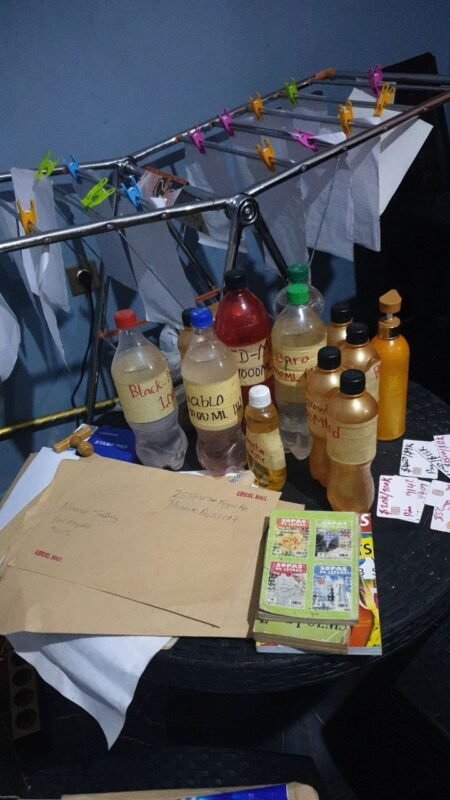
A K2 spray sheet refers to absorbent paper—ranging from standard A4 printer paper and notebook sheets to high-density cardstock, greeting cards, and blotting paper—that has been infused with liquid synthetic cannabinoids.
The process typically involves:
- Dissolving Chemical Powders: Synthetic cannabinoid powders are acquired in bulk and dissolved into volatile organic solvents.
- Application to Paper: The liquid mixture is applied to paper via high-pressure spray bottles or by submerging the paper sheets entirely into chemical liquid baths.
- Evaporation: The solvent evaporates at room temperature, leaving behind invisible, odorless chemical residues trapped tightly within the cellulose fibers of the paper.
Once dried, the paper often looks, feels, and smells completely ordinary. This “stealth” characteristic made infused paper an attractive vector for smuggling illicit compounds into restricted environments, such as prisons and detention centers, through standard incoming mail.
3. Toxicity and Health Hazards: Why Infused Sheets Are High-Risk
The distribution of synthetic chemicals via liquid spray paper introduces extreme unpredictability and severe toxicological hazards.
The “Hotspot” Phenomenon
Unlike industrial pharmaceutical manufacturing, which relies on strict quality control to ensure uniform dosage, the informal production of K2 spray sheets has zero standardization. When a sheet is sprayed or soaked, liquid pools unevenly across the paper surface.
As the solvent dries, concentrated clusters of chemical compounds form in specific areas. These are known as hotspots. A single square inch of a spray sheet might contain a benign micro-dose, while an adjacent square inch contains a lethal, highly concentrated dosage. Users have no way of measuring or verifying how much active chemical they are absorbing, dramatically increasing the risk of acute toxicity.
Physiological Effects of Exposure
Exposure to synthetic cannabinoids, whether through paper mediums or traditional mixtures, triggers widespread systemic distress:
| Affected Body System | Acute Symptoms & Complications |
| Cardiovascular System | Severe tachycardia (rapid heart rate), dangerous spikes in blood pressure, arrhythmia, myocardial infarction (heart attack), and sudden cardiac arrest. |
| Central Nervous System | Extreme agitation, acute delirium, severe paranoia, auditory/visual hallucinations, uncontrollable muscle tremors, physical seizures, and loss of consciousness. |
| Renal System | Acute kidney injury (AKI) and renal failure caused by direct chemical nephrotoxicity and breakdown of muscle tissue (rhabdomyolysis). |
| Psychiatric System | Prolonged psychosis, severe anxiety attacks, suicidal ideation, and persistent mood destabilization long after chemical exposure ends. |
4. Legal Status and Regulatory Frameworks
Governments worldwide have taken aggressive statutory action to classify, ban, and prosecute the sale and possession of synthetic cannabinoids and infused paper mediums.
The Federal Analogue Act (United States)
In the United States, early attempts to ban synthetic chemicals relied on listing specific chemical formulas under Schedule I of the Controlled Substances Act (CSA). However, illicit chemists quickly modified minor molecular side chains to create new, unlisted variants (e.g., swapping a fluorine atom for a chlorine atom).
To close this loophole, federal prosecutors utilize the Controlled Substance Analogue Enforcement Act (Federal Analogue Act). Under this law, any chemical substance that is “substantially similar” in chemical structure or pharmacological effect to a Schedule I or II controlled substance is automatically treated as a Schedule I illicit drug if intended for human consumption or recreational distribution.
State Laws and Penalties
Individual states have enacted even broader statutory bans. In state codes across the country (including California, Texas, New York, and Florida), laws specifically restrict not only chemical compounds, but also the physical mediums used to transport them. Possession, manufacturing, or shipping of K2 spray sheets carries severe felony charges, including lengthy prison sentences, heavy financial fines, and permanent criminal records.
5. Institutional Detection and Safety Protocols
Because paper-based smuggling posed a direct safety threat to correctional facilities and public institutions, detection technologies and administrative mail policies have evolved significantly.
                          [ INCOMING PHYSICAL MAIL ]
                                     |
                                     v
                   [ HIGH-RESOLUTION DIGITAL SCANNING ]
                                     |
       +-----------------------------+-----------------------------+
       |                                                           |
 [ DIGITAL DELIVERY ]                                  [ PHYSICAL ARCHIVING / DESTRUCTION ]
 Color scan sent to recipient tablet                     Original physical mail safely isolated
 zero contact with paper surface                         prevents chemical exposure hazards
1. Digital Mail Conversion
Most state and federal correctional facilities no longer deliver original paper mail to residents. Instead, incoming letters, cards, and documents are opened in secure processing centers, run through high-resolution industrial scanners, and delivered electronically to digital tablets or printed out as monochrome copies. This completely eliminates the risk of chemically infused paper reaching facility floors.
2. Modern Chemical Screening Tools
Law enforcement agencies, customs officers, and border patrol teams utilize advanced field-detection technology to uncover hidden chemical residues on paper:
- Handheld Raman Spectroscopy: Uses laser illumination to identify the unique molecular fingerprint of synthetic chemicals directly through paper fibers without destroying the sample.
- Mass Spectrometry & Gas Chromatography (GC-MS): Provides definitive laboratory analysis of paper samples, detecting ultra-trace amounts of synthetic compounds down to parts-per-billion.
- Chemical Swab Kits: Field-deployable colorimetric test kits that react instantly when wiped across paper containing synthetic cannabinoid residues.
6. Addressing Misconceptions and Fraudulent Claims Online
A brief search across search engines reveals numerous illicit portals advertising terms like “buy k2 paper online,” “k2 spray on paper,” or “spice sheets for sale.” Consumers and researchers must exercise extreme caution regarding these websites.
1. Fraud and Identity Theft
The vast majority of sites advertising illicit synthetic sheets operate as deceptive scams. Because buyers cannot seek legal recourse for failed transactions involving illicit substances, these platforms frequently accept non-refundable payment methods (such as cryptocurrency or wire transfers) before disappearing with customer funds. Additionally, they often act as vectors for identity theft, credit card fraud, and phishing attacks.
2. Unregulated Toxic Solvents
Websites attempting to sell raw liquid sprays or infused paper operate entirely outside regulatory oversight. Lab analysis of confiscated samples consistently reveals dangerous contaminants, including toxic industrial solvents (methanol, acetone, toluene), heavy metals, pesticides, and unlisted secondary adulterants like fentanyl or synthetic opioids.
7. Harm Reduction, Prevention, and Treatment Resources
Overcoming dependency on synthetic cannabinoids requires compassionate, clinical support. Because synthetic cannabinoids alter brain chemistry far more aggressively than natural plants, withdrawal and recovery require structured medical oversight.
Recognizing Signs of Toxicity or Overdose
If you suspect someone has been exposed to or consumed a synthetic cannabinoid product or infused sheet, look for these critical warning signs:
- Sudden extreme confusion, agitation, or unresponsive lethargy
- Vomiting, severe nausea, or excessive sweating
- Dangerously fast heart rate or chest pain
- Muscle twitching, body rigidity, or full physical seizures
Getting Help for Dependency
If you or a loved one are struggling with synthetic substance use, confidential help is available 24 hours a day, 7 days a week:
- SAMHSA’s National Helpline (USA): Call 1-800-662-HELP (4357) or text “HOME” to 741741 to connect with the Crisis Text Line. SAMHSA provides free, confidential treatment referral and information.
- Poison Control Center: Call 1-800-222-1222 to speak directly with toxicology experts who can provide immediate guidance during accidental exposure incidents.
- International Resources: Residents outside the United States should contact their local national health service or poison information center for local crisis support.
Frequently Asked Questions (FAQs)
What is a K2 spray sheet?
How do synthetic cannabinoids differ from natural cannabis?
Natural cannabis contains organic compounds that act as partial agonists on brain receptors, resulting in a safer ceiling effect. Synthetic cannabinoids are artificial chemicals manufactured in labs that act as full agonists, binding to brain receptors with up to 800 times greater intensity, leading to severe health complications and overdose risks.
Are K2 paper sheets legal anywhere in the United States?
No. Under the Federal Analogue Act and individual state statutory codes, synthetic cannabinoids and paper mediums infused with synthetic analogues are classified as Schedule I controlled substances. Manufacturing, shipping, purchasing, or possessing them carries federal and state felony charges.
Why are K2 sheets considered more unpredictable than loose synthetic herbs?
Because liquid chemicals are applied unevenly across paper sheets, dangerous chemical concentrations (“hotspots”) form as the solvent evaporates. One section of a paper sheet may contain minimal chemical residue, while an adjacent section contains a potentially fatal overdose level.
Conclusion: Knowledge as a Tool for Public Health
The emergence of paper-based delivery mediums like K2 spray sheets represents a dangerous chapter in the history of novel psychoactive substances. What is often marketed online as a discreet alternative to traditional substances is, in reality, an unregulated, highly potent, and dangerous chemical delivery mechanism.
By prioritizing clear scientific education, transparent toxicity reporting, modern regulatory enforcement, and accessible harm reduction resources, communities and institutions can effectively combat the public health risks posed by synthetic cannabinoids. Prioritizing personal health, safety, and evidence-based decision-making remains the most effective defense against the dangers of synthetic designer chemicals.
